Natural Dog Behaviors: Pet Wellness & Companion Animal Health Guide

Updated: Aug 10
A dog who chews a shoe, barks at the window, digs in the yard, or sniffs the same bush for three full minutes is not plotting household chaos. Most of the time, that dog is being a dog.
Many behaviors people label as “problems” are rooted in healthy canine instincts. Dogs chew to explore and relieve tension. They bark to alert and respond. They sniff to gather information. They chase because movement wakes up old patterns in the brain and body. These behaviors only become concerning when they are intense, sudden, unsafe, or tied to stress.
The goal is not to erase natural behavior. The goal is to understand it well enough to guide it with patience.
A gentle approach to dog behavior, canine wellness, and home life starts with one simple question: “What need is my dog trying to meet?”
Dogs are not trying to misbehave
Dogs do not share human ideas about “good manners” unless we teach them. A puppy who grabs socks does not know those socks are off-limits. A young herding mix who chases bicycles is not being stubborn. A terrier digging under a shrub is following a pattern bred and reinforced over many generations.
Behavior is communication. It can say:
I am bored.
I am excited.
I feel unsure.
I need movement.
I want distance.
I found something interesting.
I do not know what else to do.
When behavior gets judged before it gets understood, both dog and human can become frustrated. The dog feels blocked or confused. The person feels ignored or disrespected. That gap can weaken trust.
here is a great option

As an Amazon Associate, LegacyPets earns from qualifying purchases.
Better pet education begins with curiosity. Instead of asking, “How do I stop this?” ask, “Why is this happening, and what can I offer instead?”
That small shift supports the human-animal bond. It also makes dog training more humane and more effective.
Natural dog behaviors that can look like problems
Natural does not always mean convenient. A normal behavior can still need boundaries. The key is to tell the difference between a healthy instinct looking for an outlet and a sign that something deeper is going on.
Chewing helps dogs explore and settle
Chewing is one of the most normal canine behaviors. Puppies chew while teething. Adult dogs chew to investigate texture, release energy, and calm themselves.
Chewing becomes easier to live with when dogs have legal options. A dog who has safe chew toys, food puzzles, frozen treats, or a stuffed rubber toy has a better chance of leaving furniture alone.
Normal chewing often looks like this
Chewing toys, bones, or household items when bored
Mouthing objects during play
More chewing during puppyhood
Settling after a chew session
Support the need
Offer safe chews that match the dog’s size and chewing style. Rotate them so they stay interesting. Put tempting items, like shoes and laundry, out of reach while teaching better habits. Here is a great option.
bundles like this make it easy to rotate and keep your dog engaged
Sniffing everything is information gathering
To humans, a walk often means exercise. To dogs, a walk is also a news report.
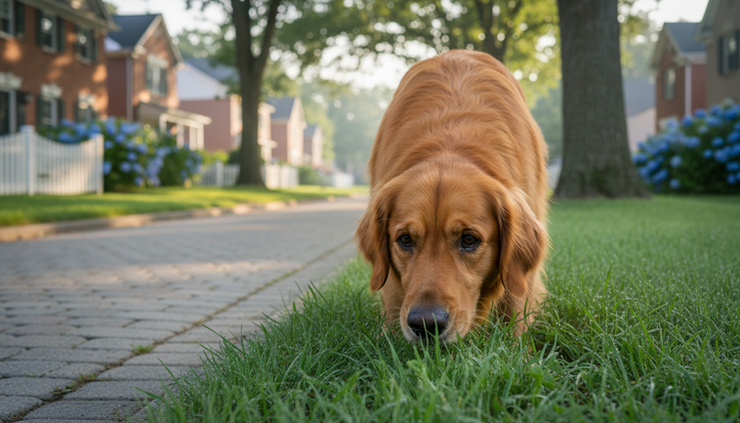
Dogs experience much of the world through scent. A patch of grass can tell them which dogs passed by, what wildlife crossed the area, and what has changed since yesterday. Sniffing lowers the pace and lets the brain work.
A dog who wants to sniff is not being difficult. They are engaging with the world in a deeply natural way.
Normal sniffing often looks like this
Pausing often on walks
Smelling doorways, trees, and grass
Tracking scents in the yard
Showing extra interest after rain or wind
Support the need
Build in sniff time. A slow, scent-rich walk can be more satisfying than a fast march around the block. These are often called decompression walks. The point is simple: let the dog move slowly, sniff freely, and unwind.
Barking is part of canine communication
Barking can be annoying, especially in apartments or busy neighborhoods. Still, barking is normal. Dogs bark when they hear sounds, see movement, greet familiar people, request attention, or feel unsure.
The question is not whether barking exists. The question is what kind of barking it is, how often it happens, and how hard it is for the dog to recover.
Normal barking often looks like this
A few barks when someone knocks
Alert barking at a strange sound
Excited barking during play
Short barking followed by easy settling
Support the need
Thank the dog calmly when they alert, then guide them to another behavior. For example, teach a cue like “place” or “settle” and reward quiet moments. Avoid yelling. To a barking dog, yelling can sound like joining in.

Digging is often a built-in behavior
Some dogs dig to cool off. Some dig to hide treasures. Some dig because they smell something underground. Some breeds have a long history of digging and hunting small animals.
Digging can damage gardens, but the behavior itself is not strange.
Normal digging often looks like this
Digging in soft dirt, sand, or bedding
Scratching at blankets before lying down
Digging more during warm weather
Digging when excited or under-stimulated
Support the need
Create a digging zone if possible. A sandbox, a corner of the yard, or a small digging box can work well. Hide toys or treats there and praise the dog for using that space. If a dog digs out of the yard, treat that as a safety issue and block escape routes right away.
Chasing wakes up instinct
Dogs are drawn to movement. Squirrels, balls, kids running, bikes, cats, and blowing leaves can all trigger chase behavior. For some dogs, the urge is mild. For others, it is powerful.
Chasing is normal, but it must be managed with care because it can become unsafe.
Normal chasing often looks like this
Running after toys
Watching squirrels with interest
Chasing during play
Brief excitement when something moves quickly
Support the need
Use games that give structure to the chase instinct. Fetch, flirt pole play, recall games, and scent games can help. Keep dogs leashed in unsafe areas. Reward attention back to the handler when movement appears in the environment.
Mild guarding can be normal
Resource guarding means a dog tries to keep access to something valuable, such as food, toys, resting spots, or a person. Mild guarding can be part of normal animal behavior. A dog may freeze, turn away, eat faster, or place a paw over a toy.
This does not mean the dog is bad. It means the dog feels the item matters.
Still, guarding deserves thoughtful handling. Punishing a dog for guarding can make them more worried that people will take things away.
Normal mild guarding may look like this
Moving away with a chew
Eating faster when approached
Stiffening briefly over a prized item
Choosing distance while holding a toy
Support the need
Practice trades. Offer something better, then calmly remove the item only after the dog lets go. Give meals in peaceful spaces. Teach that human hands bring good things, not loss.
If guarding includes lunging, snapping, biting, or intense freezing, seek help from a qualified positive reinforcement trainer or veterinary behavior professional.
When natural behavior is no longer normal
A behavior becomes concerning when it changes sharply, escalates, causes harm, or seems driven by panic rather than ordinary interest.
This article is educational and cannot replace veterinary or professional behavior care. When behavior changes suddenly or feels unsafe, a veterinarian is often the best first call. Pain, illness, aging, hormone changes, and sensory changes can all affect behavior.
Aggression toward people or pets needs support
Growling, snapping, lunging, or biting should not be ignored. Growling is communication, not a moral failure. It often means the dog needs space or feels unsafe.
Do not punish the warning. A dog who learns not to growl may still feel the same fear but stop giving early signals. That can make bites more likely.
Create distance, reduce pressure, and get professional guidance.
Destruction paired with panic is different from boredom
A bored dog may shred a paper towel or chew a chair leg. A panicked dog may claw through doors, break crates, drool heavily, bark for long periods, or injure themselves trying to escape.
Destruction linked to panic may point to separation-related distress or another serious stress response.
Look at the whole picture. When does it happen? How intense is it? Can the dog eat or rest when alone? Does the dog recover quickly?
Obsessive licking or pacing can signal distress
Some licking is normal grooming. Some pacing is normal excitement. But repeated licking, pacing, spinning, or fixating that is hard to interrupt may signal stress, pain, skin irritation, nausea, or anxiety.
Track patterns. Does licking happen after meals, at night, during storms, or when the home gets busy? Details help professionals understand what may be driving the behavior.

Extreme reactivity is more than excitement
Many dogs bark or pull when they see other dogs, people, vehicles, or wildlife. Reactivity becomes more concerning when the dog cannot recover, refuses food, screams, lunges hard, or stays tense long after the trigger leaves.
Reactive behavior often comes from fear, frustration, over-arousal, or lack of safe distance. It is not a sign that the dog needs a harsher hand. Most reactive dogs need more space, clearer patterns, and rewards for calm observation.
Withdrawal, appetite loss, or sudden personality changes matter
A social dog who suddenly hides, a playful dog who stops engaging, or a food-loving dog who refuses meals may be showing a health or stress concern.
Behavior lives in the body. Pain can make a gentle dog irritable. Digestive trouble can affect mood. Poor sleep can lower tolerance. A change in hearing or vision can make the world feel less predictable.
When behavior shifts quickly, rule out medical causes before treating it as a training issue.
How to respond with confidence instead of frustration
Understanding natural behavior does not mean allowing every behavior. It means guiding the dog in a way that honors the need underneath.
Provide daily outlets for instinct
Dogs need more than food and a place to sleep. They need chances to chew, sniff, move, explore, solve small problems, and rest.
Good outlets might include:
A sniff-heavy walk
A safe chew after breakfast
A short training game
A food puzzle
A backyard treasure hunt
A calm ride or visit to a quiet park
Tug or fetch with clear start and stop cues
The best outlet depends on the dog. A senior dog may prefer a slow sniff walk. A young sporting dog may need more movement and scent work. A shy dog may enjoy quiet exploration over busy social settings.
Use enrichment to reduce frustration
Enrichment means adding healthy choice and activity to a dog’s day. It does not need to be fancy.
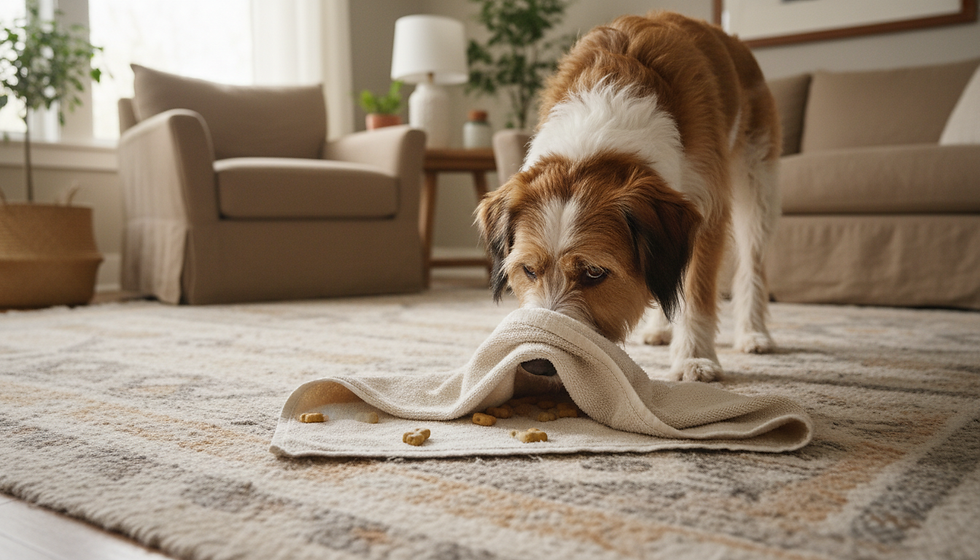
Scatter kibble in the grass. Roll treats in a towel. Hide a toy behind a chair. Let the dog lick food from a safe mat. Practice two minutes of “find it” in the hallway.
Enrichment works best when it matches the dog’s natural interests. For a sniffer, use scent games. For a chewer, offer safe chew time. For a digger, create an approved digging spot.
Reinforce calm behavior
Dogs repeat what works. If calm behavior earns attention, food, freedom, or comfort, calm behavior becomes more likely.
Watch for small moments:
The dog looks at a squirrel but does not bark.
The dog settles on a bed while dinner cooks.
The dog hears a sound and checks in.
The dog drops a toy at your feet.
The dog walks away from conflict.
Reward those moments. A soft “yes,” a treat, gentle praise, or a bit of space can all tell the dog, “That choice worked.”
Create predictable routines
Predictability helps dogs feel safe. This does not mean every day must be strict. It means the dog understands the rhythm of life.
Meals happen in familiar places. Walks have clear patterns. Rest time is protected. Visitors are handled calmly. Alone time is built slowly. Bedtime feels steady.
A predictable home lowers stress because the dog does not have to guess what comes next.
Offer decompression walks
A decompression walk is slow, quiet, and sniff-heavy. It is not about covering distance. It is about letting the nervous system exhale.
Choose a low-traffic place when possible. Use a comfortable harness and a longer leash where safe and legal. Let the dog pause. Let them sniff. Let them choose the direction when it is safe.
These walks can be especially helpful for dogs who live in busy homes, struggle with reactivity, or spend much of the day following human schedules.
A simple normal or not normal guide
Use this table as a starting point, not a diagnosis. Context always matters.
Behavior | Often normal when | Worth extra support when |
Chewing | The dog chews safe items and settles after | Chewing is frantic, destructive, or linked to being alone |
Barking | The dog alerts briefly and can calm down | Barking is intense, constant, or hard to interrupt |
Sniffing | The dog explores scents on walks | The dog cannot disengage or seems panicked |
Digging | The dog digs in soft areas or bedding | The dog escapes, injures paws, or digs from distress |
Chasing | The dog chases toys or watches movement | The dog lunges at cars, bikes, animals, or children |
Guarding | The dog moves away with valued items | The dog growls, snaps, bites, or freezes intensely |
Play-fighting | Dogs take turns and pause often | One dog hides, yelps, stiffens, or cannot get away |

How LegacyPets helps families understand before correcting
The LegacyPets philosophy begins with respect for the animal in front of us. The Knowledge Library helps families look beneath the surface of behavior before jumping to correction.
That matters because behavior is rarely random. A dog who barks may need distance. A dog who chews may need relief. A dog who digs may need an approved outlet. A dog who withdraws may need medical care, rest, or emotional safety.
When people learn to read those signals, daily life changes. Training becomes less about control and more about communication. Boundaries still matter. Safety still matters. But the tone becomes kinder, clearer, and more effective.
Dogs live closer to the ground than we do, guided by scent, sound, motion, memory, and trust. Their behavior tells a story. When we slow down enough to listen, we become better companions.
The next time a dog sniffs too long, barks at a sound, or proudly carries off a sock, pause before frustration takes over. Ask what need is speaking. Then offer a path that is safe, fair, and loving.
That is where understanding begins.
DISCLOSURE:
LegacyPets is a participant in the Amazon Services LLC Associates Program, an affiliate advertising program designed to provide a means for sites to earn advertising fees by advertising and linking to Amazon.com. When you purchase a product through one of our Amazon links, LegacyPets may earn a commission at no additional cost to you.
Our recommendations are based on the purpose and usefulness of a product—not its price. We encourage you to choose what best fits your pet, your household, and your budget.


Comments